
As a classroom teacher, the parent email I dreaded the most was “My child is bored in class.” It is tough balancing the needs of all of the students in your classroom, especially when required to teach the district curriculum. And while not all of the “I’m bored” emails were addressing a specific need, there are times when a student really needs a challenge that fits their needs. This is especially true for gifted and talented early finishers, who often master content quickly but still need opportunities for deeper thinking.
Here lies the power of the Passion Project. Students choose a topic that they are interested in, learn all about it, and then present it in a way that fits their learning style. Instead of asking, “What should I do now?” students stay engaged in meaningful, self-directed work.
What are Passion Projects?
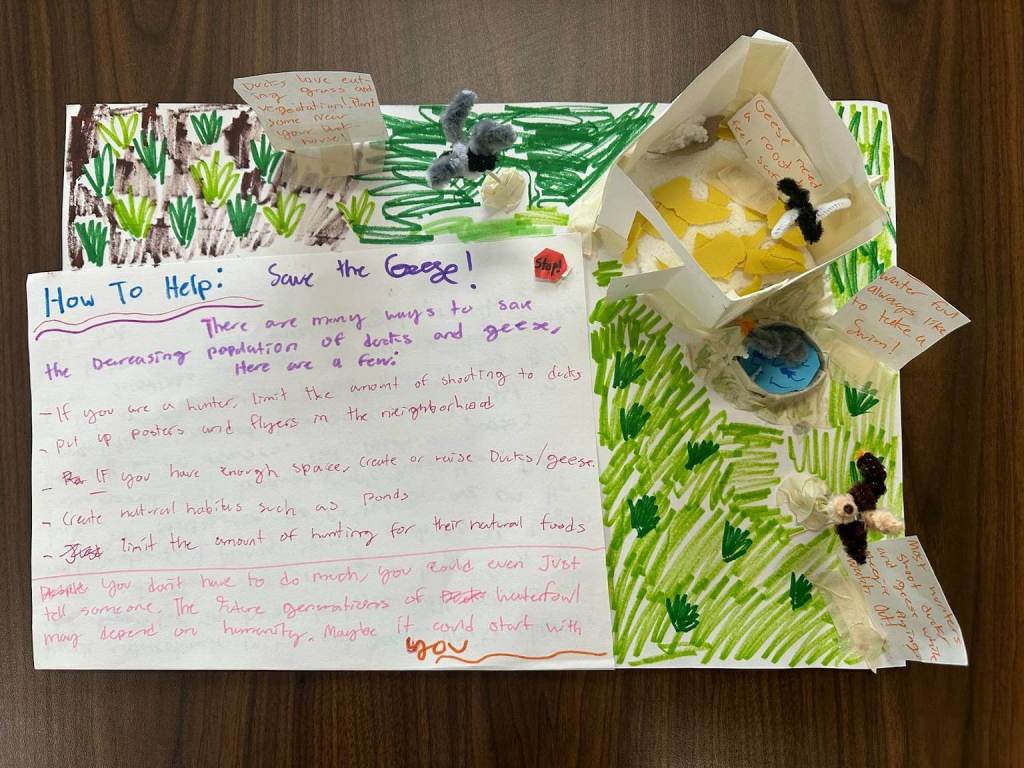
Passion Projects are independent student projects in which students choose a topic that they are interested in or passionate about. They are student-driven, but still supported with clear expectations and structure from the teacher. Students write an inquiry question that is specific, open-ended, clear, and able to be researched. (For example, “How does social media impact teens?” instead of “What is social media?”) They then break that big, open-ended question into smaller related questions.
Students research each question by finding reliable sources. They look for resources that are credible and verify the information. They then take notes on what they learned in their own words. This is a great opportunity to teach or review research skills, such as how to find reliable sources, take notes, and avoid copying information.
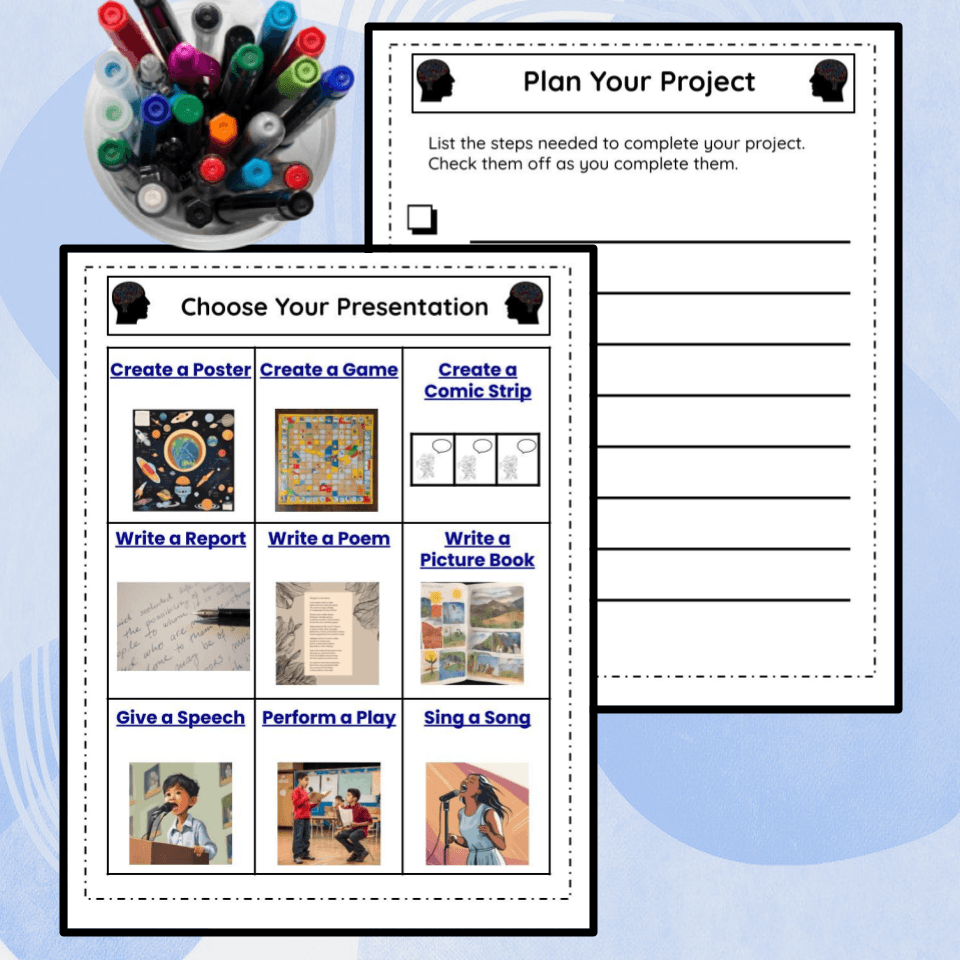
Passion Projects end with a project that is presented to an authentic audience. This can include classmates, teachers, or families. You might also include a class showcase, hallway display, or digital presentations to increase motivation. Students choose a project idea that fits their topic and matches their learning style. Choices include writing a speech, creating a poster, creating a board game, or writing and performing a song. Students should also encourage the audience to take action on the topic. This helps students connect their learning to the real world.
Students are assessed on a rubric for original content, creativity, and persuasiveness. Finishing with a reflection piece can help students think about what they learned and how they grew.
Why Passion Projects Work
Passion projects are especially helpful for gifted and talented students, especially those who finish their work early. Many of these students complete assignments quickly and are left waiting, which can lead to boredom or a lack of motivation. Passion projects give them something meaningful to do instead of just more of the same work.
Because students get to choose a topic they care about, they are more engaged and excited to learn. They can explore their interests in greater depth and ask their own questions, which keeps their minds challenged. Passion projects also help students build important skills like problem-solving, creativity, and working independently. They also learn to manage their time and set and meet goals, which many students need support and practice to develop. Instead of rushing through tasks, early finishers can slow down, think more deeply, and take pride in creating something that is truly their own.
How To Get Started
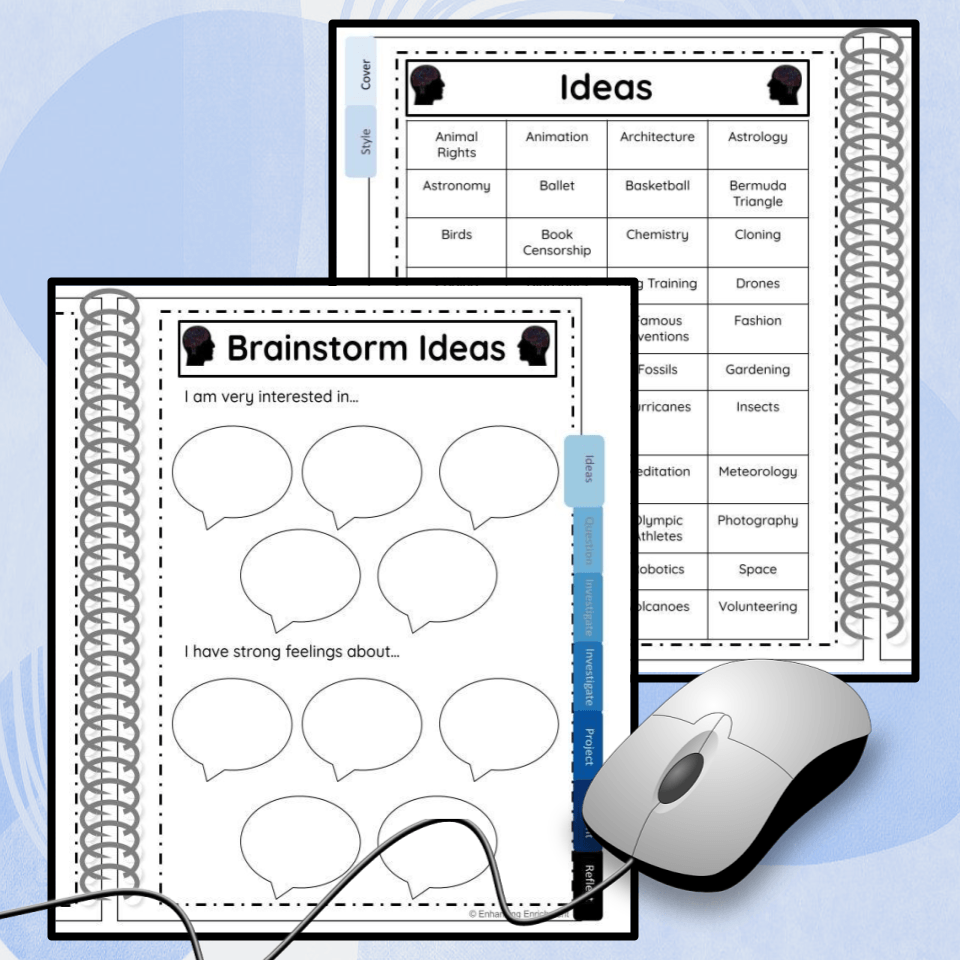
Getting started with passion projects does not have to feel overwhelming. The key is to keep it simple and provide just enough structure to support student independence. A ready-to-use resource can make this much easier by giving you templates and tools, so you are not starting from scratch. Begin by helping students generate ideas using interest inventories or simple brainstorming pages. These guide students to think about what they enjoy, what they wonder about, and what problems they might want to solve.
Next, have students narrow their ideas into a clear inquiry question that leads to related questions. Students will use these related questions to guide their research. Model this process with an example so students understand the difference between a broad topic and a strong inquiry question.
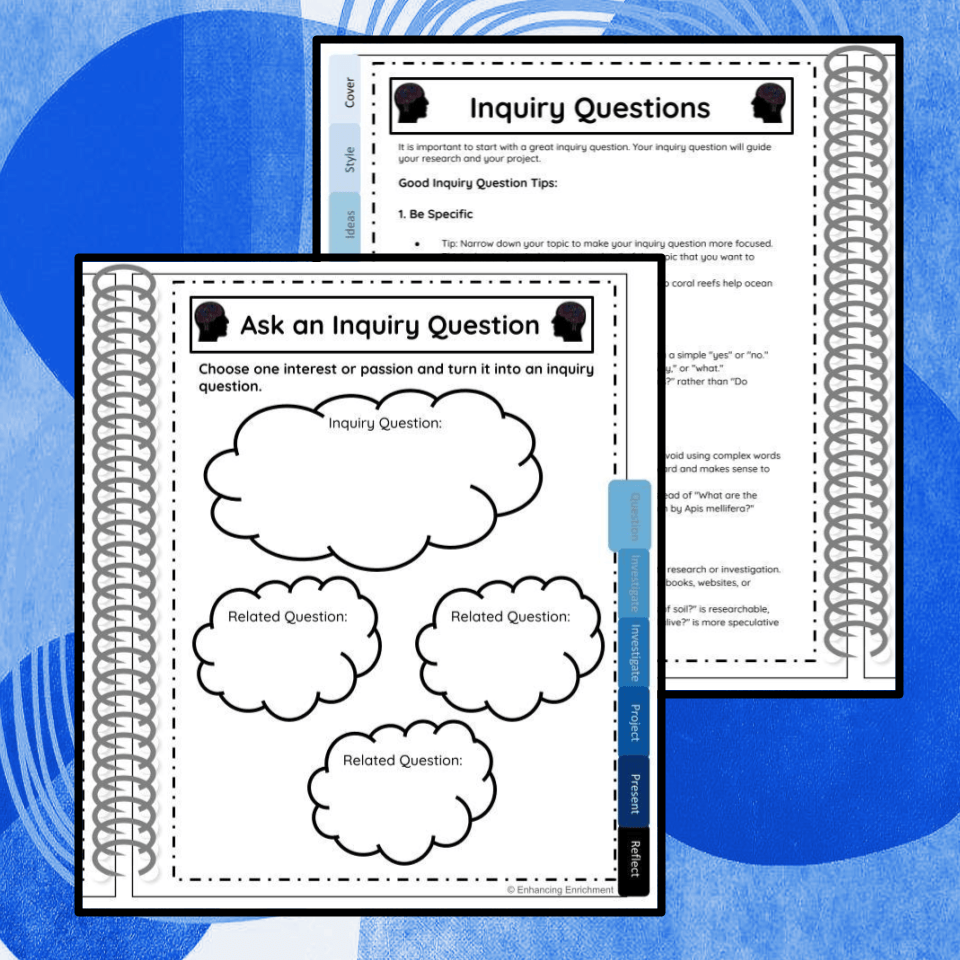
It is also helpful to check in with students as they are working independently. Ask what they are working on, what their next steps are, and if they need any support. Consider using quick check-ins, progress trackers, or simple deadlines to help students stay on track. Students often need support in writing an open-ended inquiry question and choosing the best project to present their work.
Finally, allow flexibility in how students present their learning. The Passion Project Digital Resource includes three different project choice boards to scaffold student choice. The first option does not have clickable links if you want students to really demonstrate their creativity and create projects with classroom materials. The second option includes clickable links to open-ended resources such as Canva or Book Creator. This still allows students to be creative, but gives them a template to get started. The third option leads to a separate Google Slides presentation for each resource. These pages contain a planning sheet and project page for each project. Students who are having trouble getting started can answer the planning questions to help guide their project. This built-in scaffolding helps you meet the needs of a wide range of learners, from highly independent students to those who need more guidance.
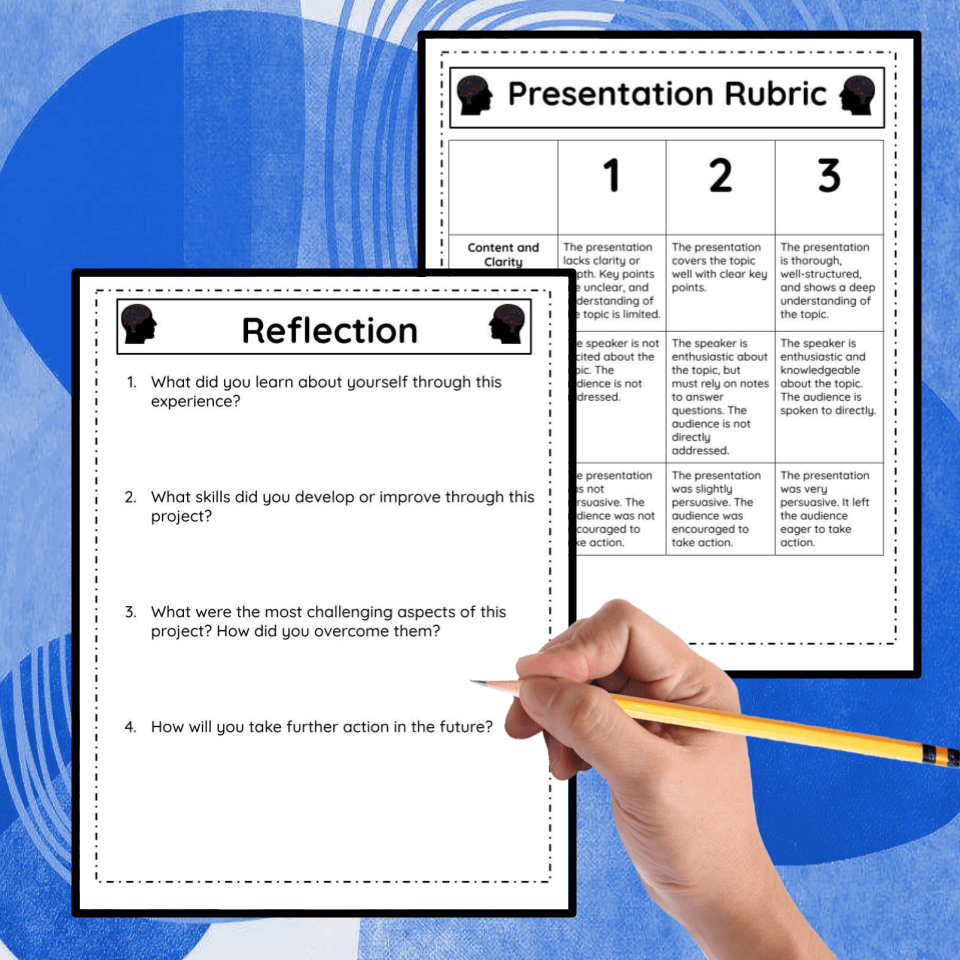
Passion projects are a simple way to turn early finisher time into meaningful learning. Instead of hearing “I’m done, now what?” you will start to hear, “Can I keep working on my project?” When students are given choice, structure, and support, they become more engaged, motivated, and invested in their learning. And the best part, once everything is set up, it is even easier for you than constantly printing and managing early finisher activities. Grab the ready-to-use digital resource and get started today.
 Enhancing Enrichment
Leave a comment