
Gifted and talented students thrive when their minds are challenged, but finding math activities that keep them engaged can be tricky. That is why I have put together this list of the top 10 must-have math enrichment games. These games are designed to make critical thinking fun, spark curiosity, and give your students the opportunity to explore math in creative and meaningful ways. Whether you are a teacher looking to enhance your classroom, a parent searching for enriching activities, or a homeschooler wanting to inspire a love of math, these games are sure to provide hours of learning and excitement.
Please note that some links in this post are Amazon affiliate links. If you click and make a purchase, I earn a small commission at no extra cost to you. Thanks for helping support the site!
1. Set
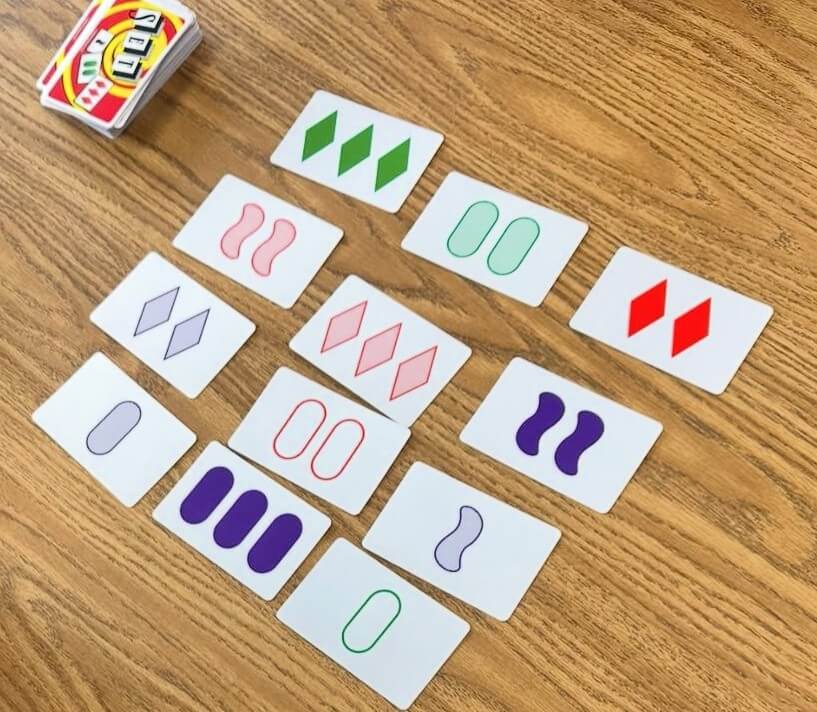
Set might not look like a math game at first, but it is full of patterns and quick thinking. Each card has a shape, color, pattern, and number, with three options for each. Your job is to make a set of three cards where, for every feature, the cards are either all the same or all different. I tell kids that no card can feel left out. Set is a fun way to spot patterns and think fast. It’s easy to set up, perfect for early finishers, and works well when you only have a few minutes. You can even try it for free online with this Play Set game.
2. Proof
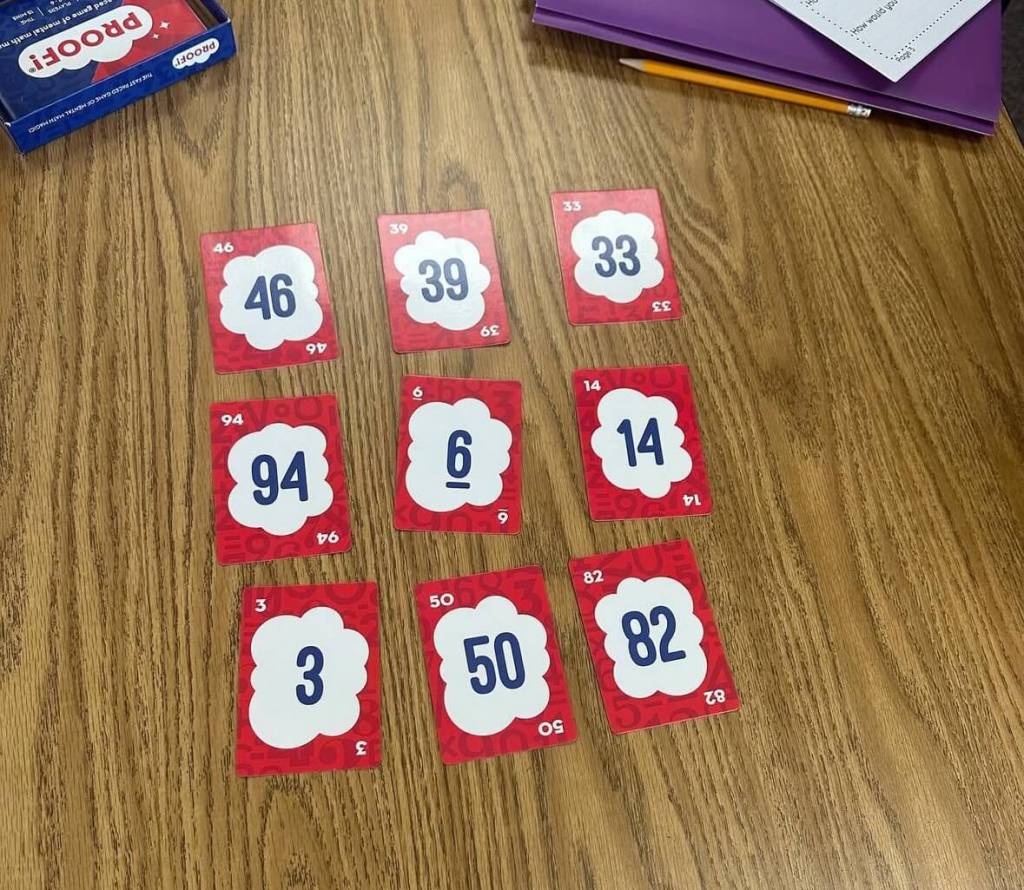
Proof is a fun math card game all about numbers and quick thinking. Each card has a number from 1 to 100, arranged in a 3 by 3 grid. The first player to create a correct equation, shout “Proof,” and show their answer gets to take all the cards. Proof is a great way to practice math, problem-solving, and thinking fast while having fun.
3. Tetris
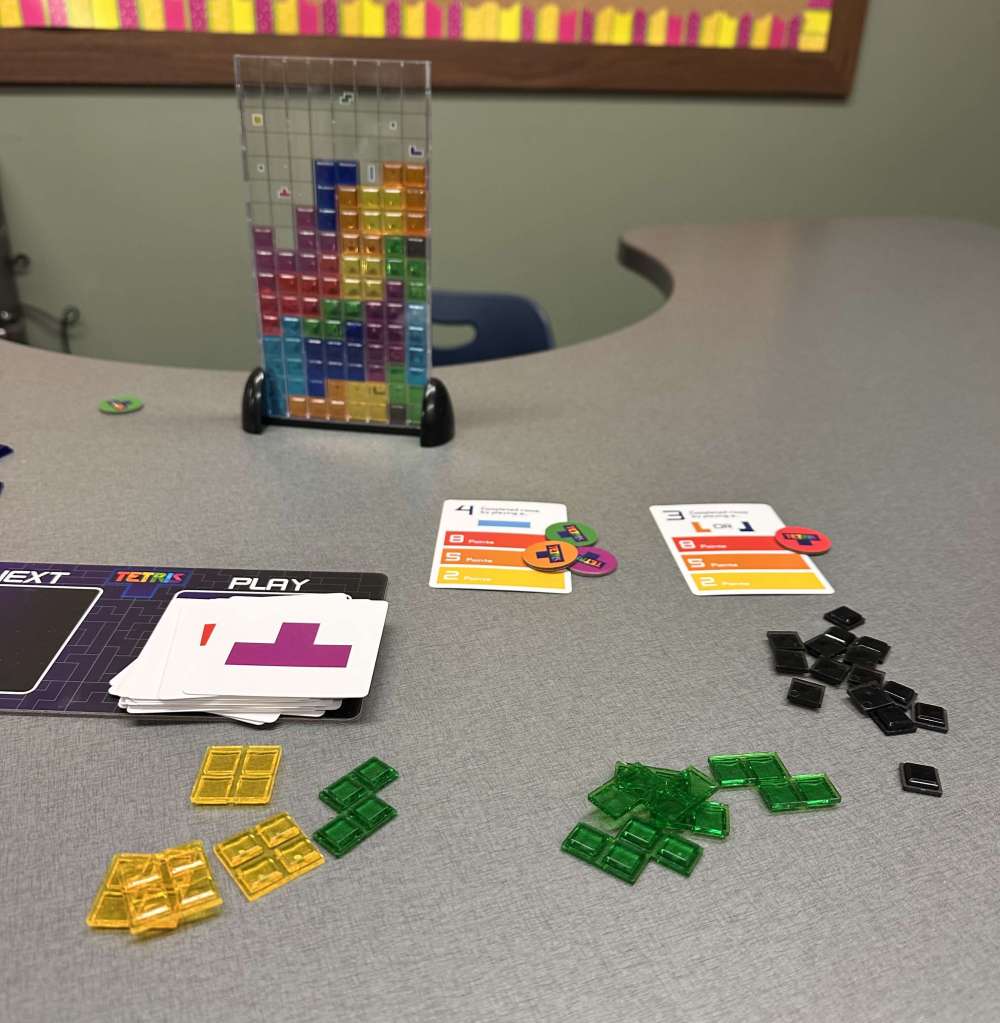
The Tetris Board Game brings the classic video game to life in the classroom. Players take turns fitting different shaped blocks together to fill rows without leaving gaps. Each completed row is worth two points. Players can also earn bonus points for matching shapes to the icon on the board or completing an achievement card first. It’s a fun challenge that tests planning, strategy, and quick thinking. Playing Tetris is also a great way for students to build spatial reasoning skills as they visualize how pieces fit, rotate, and stack, helping them think more flexibly about shapes and space.
4. Blokus
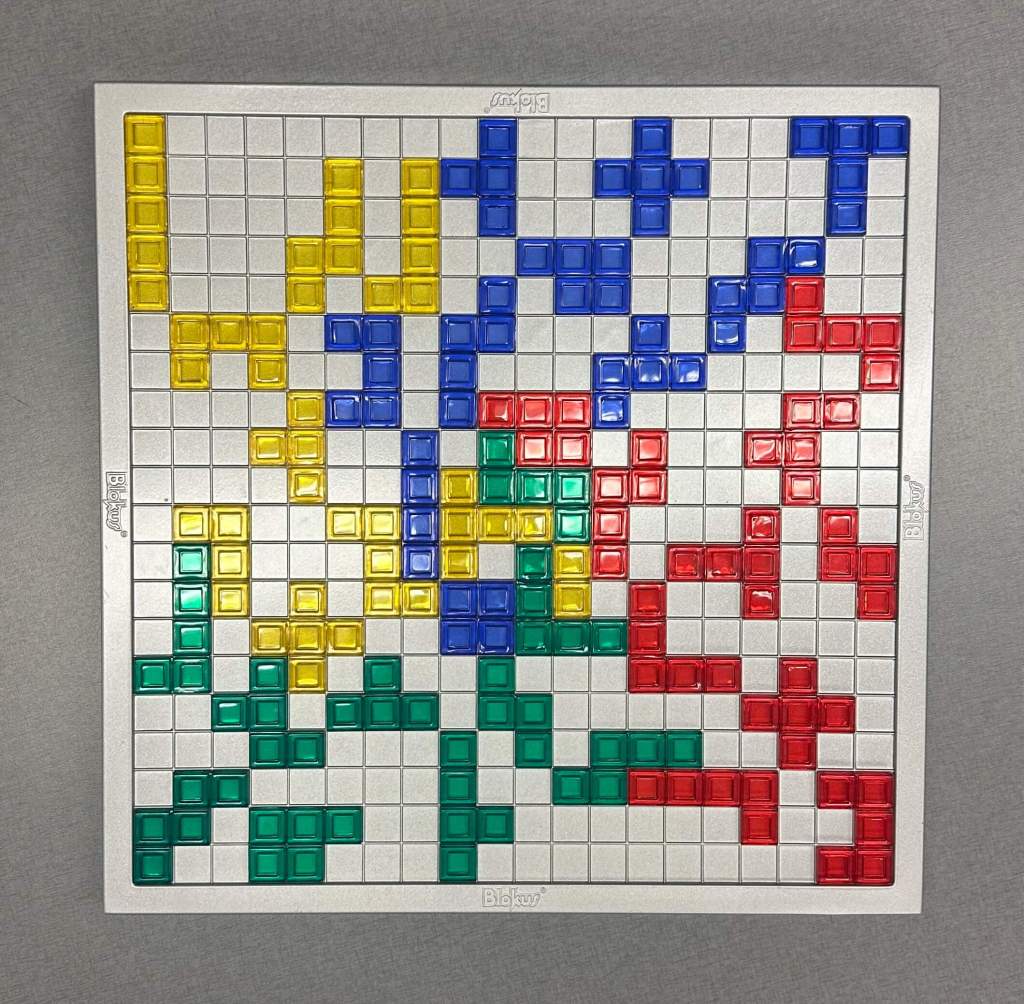
Blokus is a board game for up to four players. There are four different colors with 21 differently shaped pieces. Players take turns placing a piece on the board. The new piece must touch a corner of a previously played piece. Blokus is a fun way for students to practice spatial reasoning, problem-solving, and flexible thinking while playing together.
5. Qwirkle
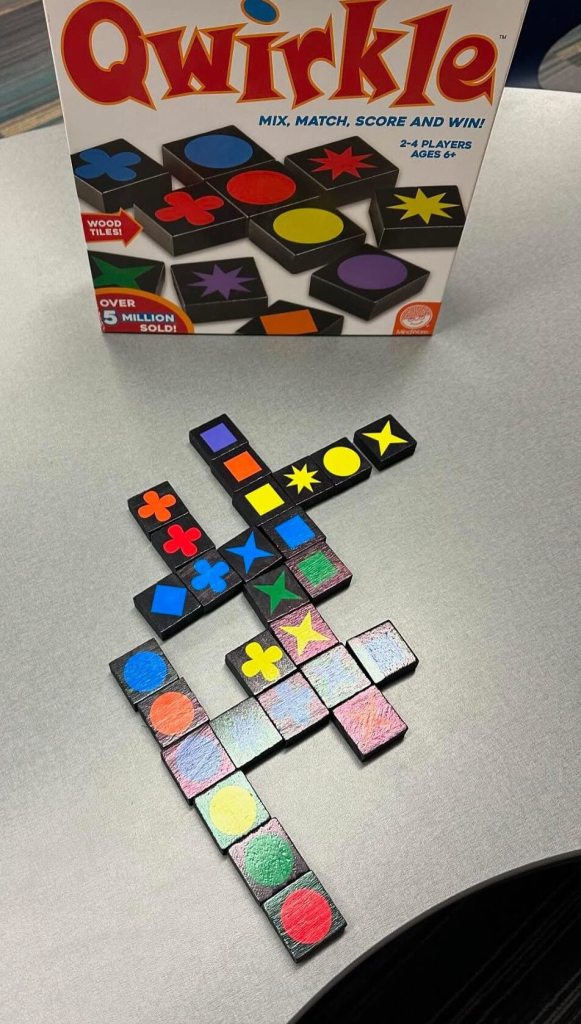
Qwirkle is an easy to learn strategy game played with colorful wooden tiles. On your turn you add a tile to a row by matching either the same shape or the same color. You earn extra points for completing a six tile set called a Qwirkle. The goal is to score the most points by building rows and spotting smart moves. This game encourages pattern recognition, strategic thinking, and planning ahead while keeping students engaged and having fun.
6. Adsumudi
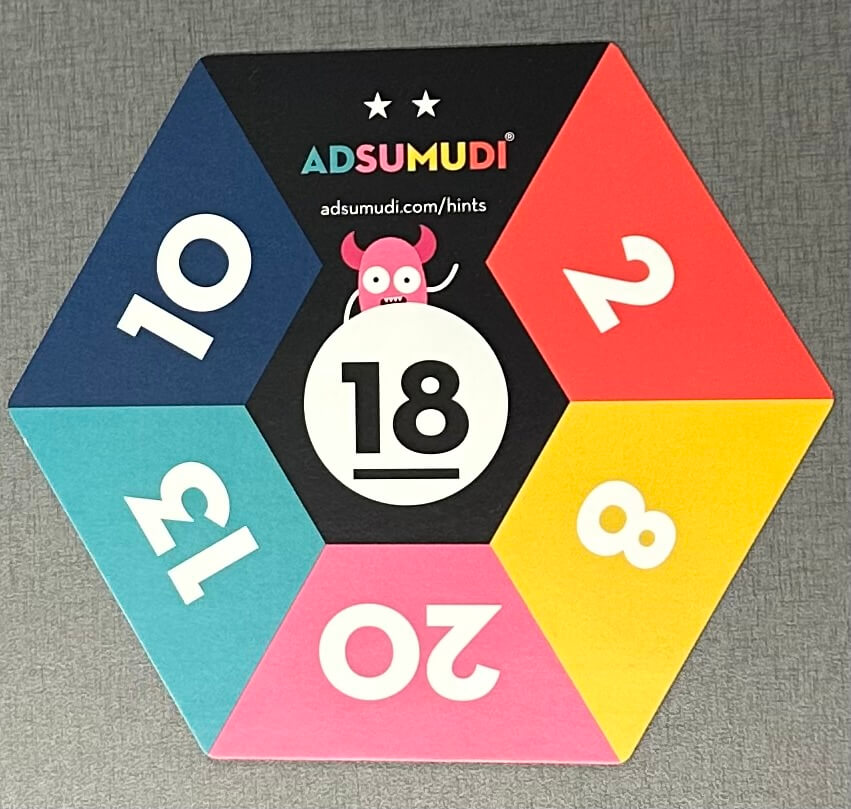
Adsumudi gets its name from the beginning of the words addition, subtraction, multiplication, and division. Each card shows a target number in the center with five other numbers around it. The challenge is to make the target number by adding, subtracting, multiplying, or dividing. The easier level uses just two numbers, while the most complex puzzles require using all five. This game is a fun way to practice problem solving, number sense, and flexible thinking. Try it out with the free Adsumudi online game.
7. Smath
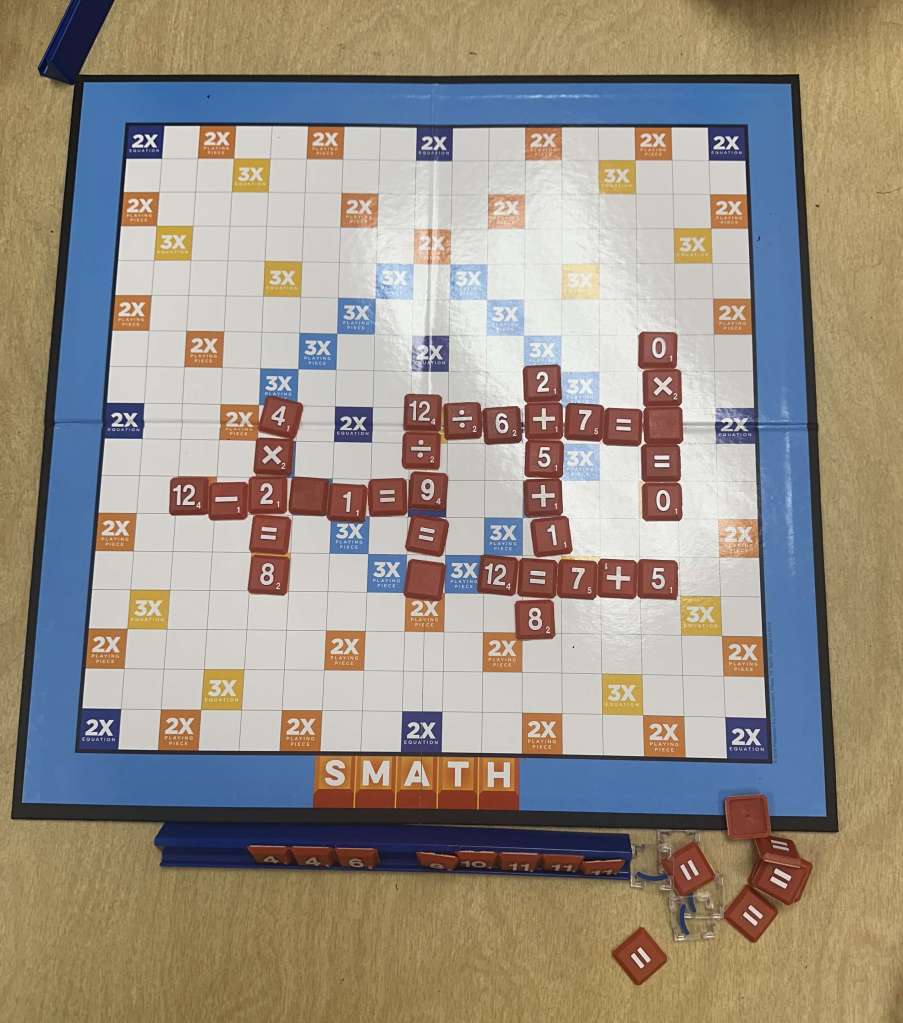
Smath is like Scrabble with numbers. Instead of making words, players draw numbers and math symbols to build equations on a crossword-style board. Parentheses and equal signs are free to use, and you can include as many as you like. The challenge is to place your tiles in a way that makes correct equations and earns the most points. This game strengthens number sense, order of operations, and strategic thinking while giving students a fun way to practice math.
8. Prime Climb
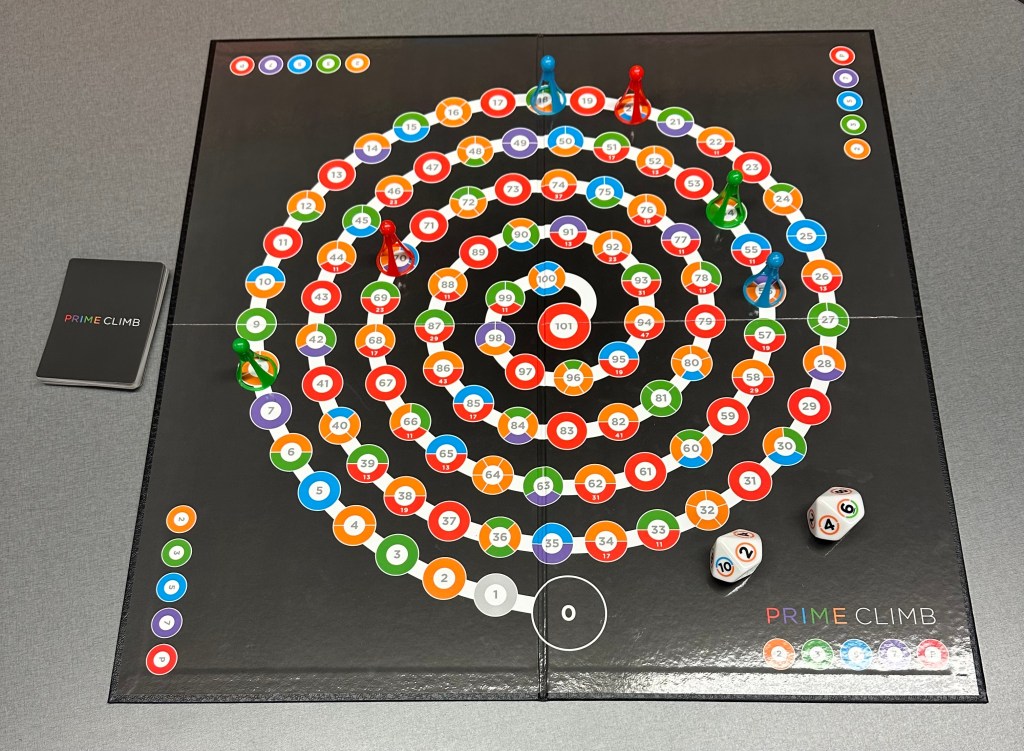
Prime Climb is a board game that makes working with numbers exciting. Players roll dice and move their pawns around a spiral board by adding, subtracting, multiplying, or dividing. The spaces are color coded to show prime factors, which helps students see how numbers are built. The goal is to land both pawns exactly on the center space, 101. This game is a fun way to practice operations, factors, and strategy while building a deeper understanding of how numbers connect.
9. Qwixx
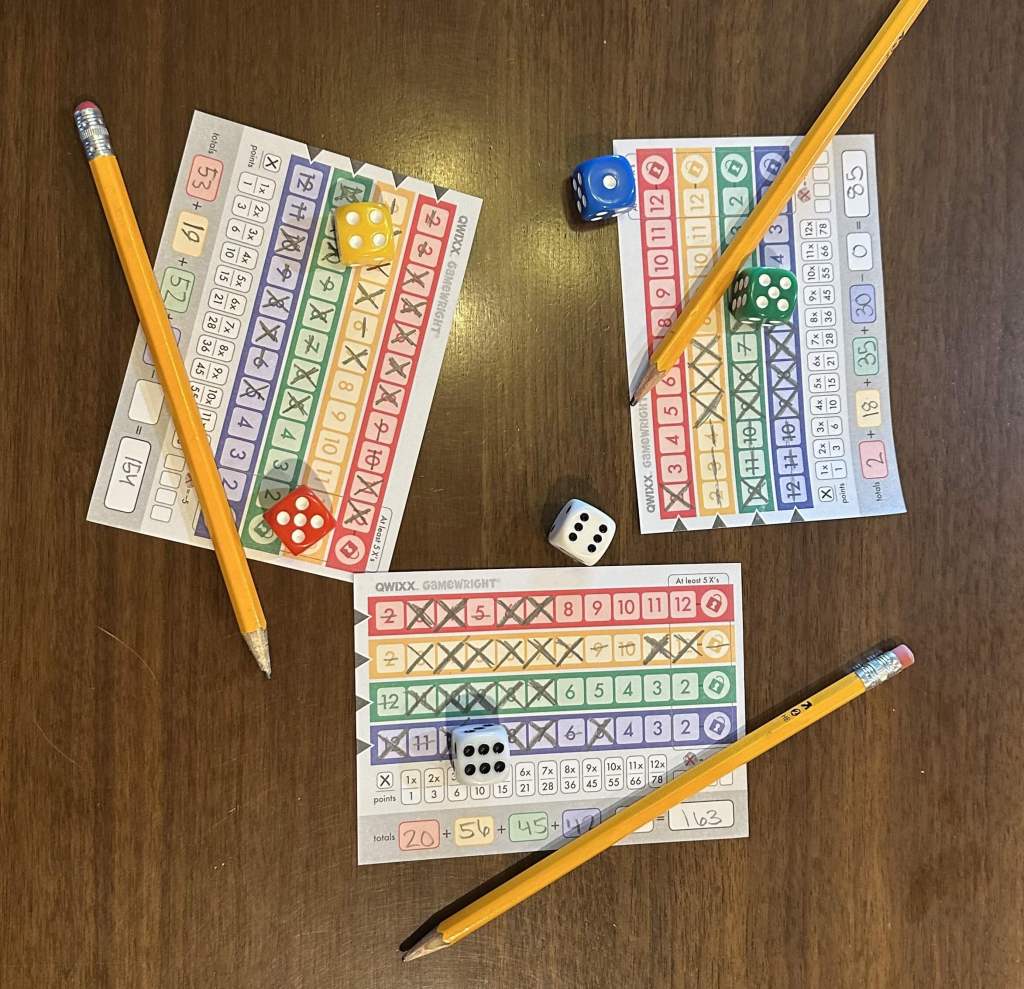
Qwixx is a quick dice game where every roll gives all players a chance to score. Players use the dice to cross off numbers in four colored rows, moving left to right. Once a number is skipped, it can’t be used again, so every choice matters. The more numbers you cross off in a row, the higher your score. This game is a fun way to practice number sense, probability, and strategy while keeping students engaged with fast-paced play.
10. Farkle
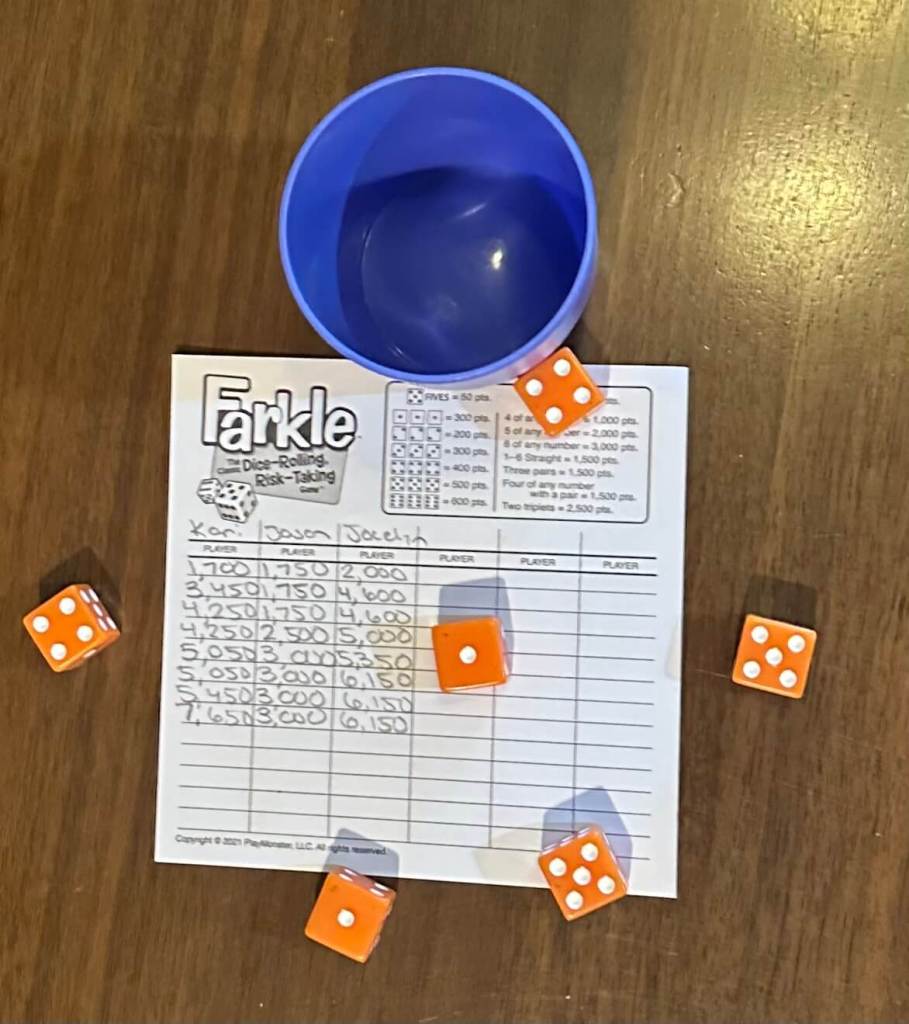
Farkle is a dice game that challenges players to think strategically with every roll. Players roll six dice to create scoring combinations, like three of a kind, straights, or ones and fives, and then add their points to their running total. Students must decide whether to bank points or risk rolling again. If they roll a Farkle, they lose all points for that round. This game is a fun way for students to practice adding large numbers, probability, and strategic decision-making while staying engaged.
These math games show that learning can be fun, challenging, and creative all at once. They give gifted and talented students a chance to think critically, try new strategies, and enjoy math in a hands-on way. With games like these, you’ll see curiosity, problem-solving, and excitement for numbers come to life. Read more about the benefits of games in this blog post. Which one do you want to try first?
Find links to all of the games on Amazon!
 Enhancing Enrichment
Leave a comment