Project-based learning is ideal for gifted and talented students. It allows students to study a topic in-depth and apply their learning in a real-world situation.
What is Project-Based Learning?
Project-based learning (PBL) is an educational approach in which students actively explore real-world problems and challenges. Students create a project that demonstrates their understanding of the topic in a meaningful context.
PBL typically begins with a question or challenge that sparks curiosity. Students investigate this question through research, experimentation, and exploration, deepening their understanding as they work. PBL results in a project that summarizes the learning and allows students to take action through a presentation, creation, or service opportunity.

Why Should PBL be Used with Gifted and Talented Students?
- Student Ownership
- Inquiry and Creativity
- Critical Thinking and Problem Solving
- Individual Approach
- Multi-disciplinary Learning
Student Ownership
Project-based learning is ideal for gifted and talented students. It gives students voice, choice, and ownership of their learning. Students may be allowed to choose their topics, the way they want to learn about the topic and the project they want to complete. Students have more buy-in and are more engaged when they choose what they are learning and how they want to learn about it.
Inquiry and Creativity
Gifted and talented students are naturally curious and inquisitive. PBL allows them to ask and explore questions about a topic. It also allows them to creatively solve their problem by creating a project.
Critical Thinking and Problem Solving
Gifted and talented students often need opportunities to dig deeper into subjects rather than just skimming the surface. PBL encourages them to explore complex problems, ask insightful questions, and think critically to solve real-world problems. This fosters a deeper understanding of the topic.
Individual Approach
Gifted and talented students are not all reading whizzes or STEM geniuses. They have different strengths just like everyone else. PBL allows differentiated instruction in which each student learns in the way that works best for them.
Multi-disciplinary Learning
Enrichment time is often limited. PBL allows students to pull in learning from a variety of subjects and apply them to a real-world situation.
What does PBL for gifted and talented students look like?
Ideally, PBL should be open-ended and learning should be driven by the students. The teacher acts as the facilitator.
Students often need help planning the steps of their projects and managing their time when immersed in a project. Mini-lessons at the beginning of each class period that fit the unit are helpful. Examples of mini-lessons include writing an inquiry question, finding reliable sources, and planning your time wisely.
Project-based learning can be a shorter unit that is finished in a couple of weeks or a longer unit that takes half the year. Here are some units that you can try.
Create a Board Game
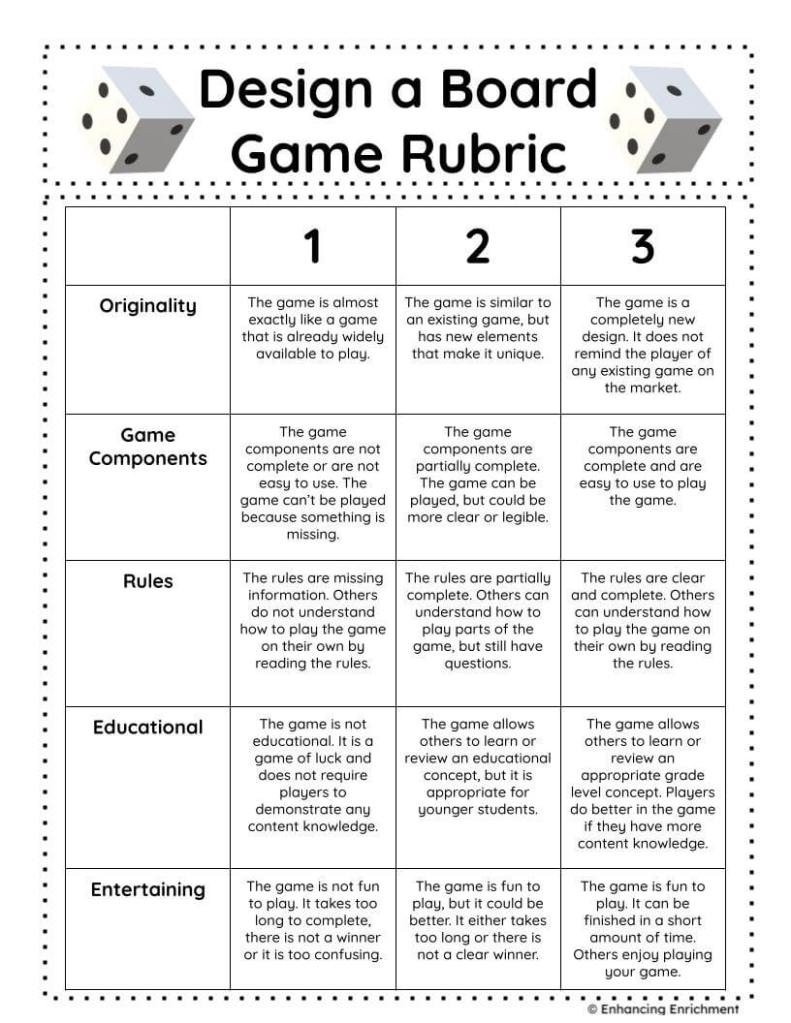
Create a Board Game is a PBL unit that I use with third grade gifted and talented students. After reading about the history of board games, students investigate which board games they like to play and why they like to play them. They then design and create their own educational games for their classmates to play. Students have created math, spelling, science, nutrition, and music games with this project.
Create an Invention
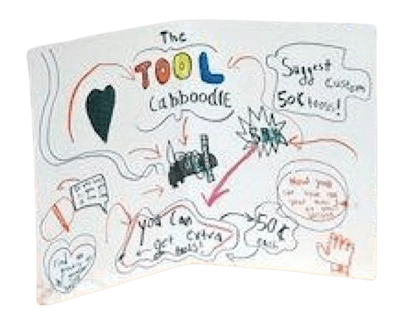
Create an Invention is a PBL unit that I use every year with fourth grade gifted and talented students. Students first learn about famous inventions and child inventors. Then they solve a problem that they are experiencing by creating a new invention. Students have made pencil holders to organize their desks, grabbers to reach high items, and cleaners to pick up small items.
Determine Your Strengths
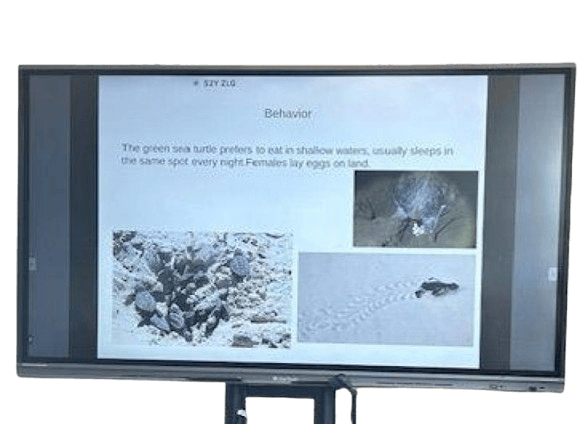
Discover Your Strengths is a PBL unit that helps students determine how they learn best. Students take quizzes to determine their learning styles and if they are more right or left-brained. They then choose a topic that they are passionate about to learn more about and present their learning to the class. Students have chosen to present about space, endangered animals, and the importance of recycling.
Are you interested in learning more about PBL? This post is all about enhancing math enrichment with project-based learning.
Project-based learning is very beneficial for gifted and talented students. It allows them to learn in an authentic way and prepares them for a future of solving real-world problems.

 Enhancing Enrichment
Leave a comment